

In Eindhoven and Breda, rents for privately owned student rooms fell last year, while prices rose sharply in Tilburg, Nijmegen and Groningen. In Delft, rents rose by 10 percent. This is according to new figures from Kamernet.
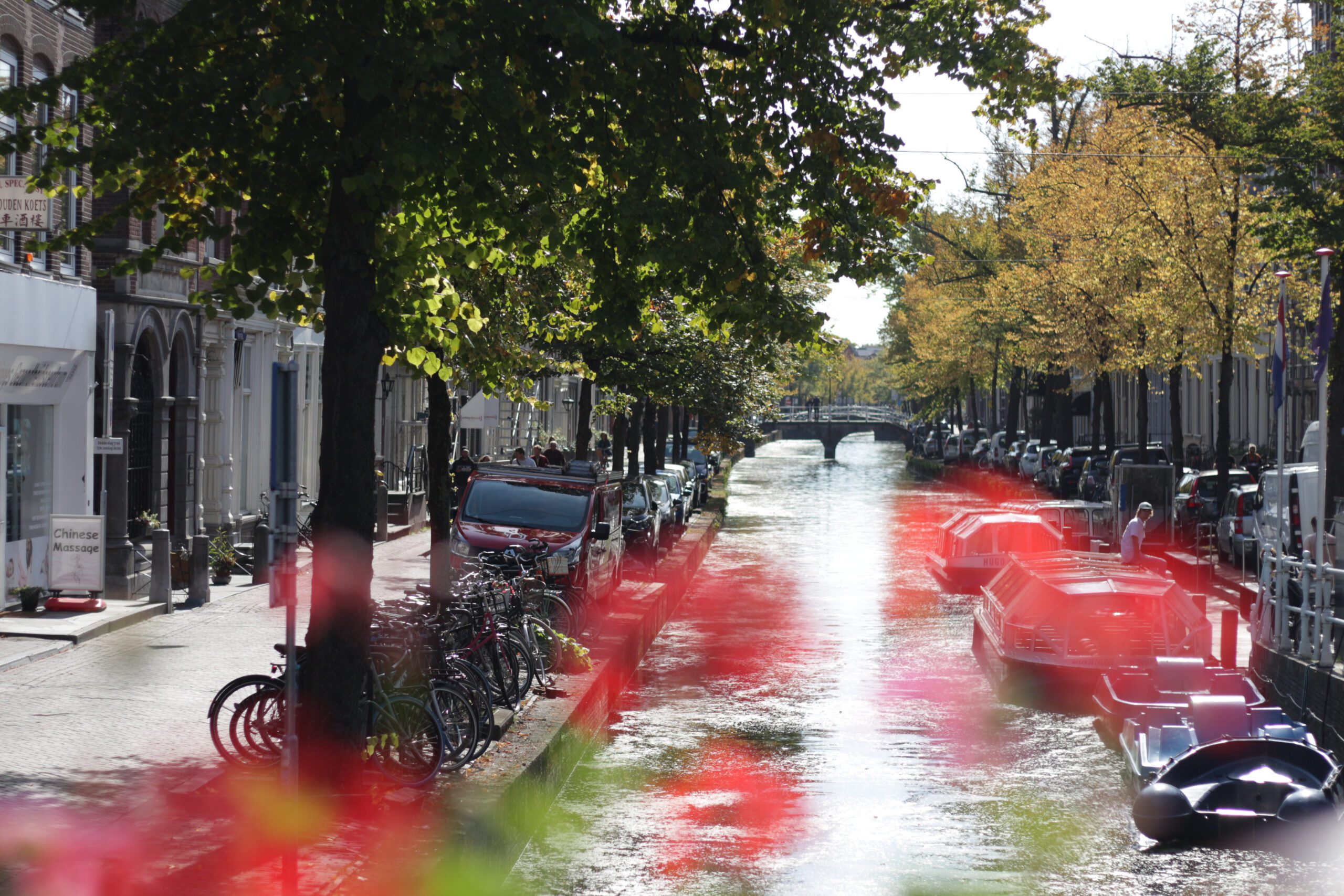
(Photo: Justyna Botor)
Many students are looking for a room again and often end up with private landlords, ranging from shrewd slumlords who want to squeeze every last penny out of their tenants to idealistic hospitas who charge a modest price.
Amsterdam by far the most expensive
Rents on the private market have risen quite rapidly in recent years, but according to rental website Kamernet, they rose by only 0.5 percent last year.
Amsterdam remains by far the most expensive: 945 euros per month. That is 5 percent more than last year. Per square metre, you pay 70 euros there. Other cities do not come close to this, although rents do put a strain on your wallet. The Hague and Haarlem are at 750 euros per month, Rotterdam and Utrecht at around 700 euros.
Delft: lowest rents in the Randstad
Cheaper housing can be found in Wageningen (395 euros) and Enschede (351 euros). In Enschede, you also get more space for your money: you pay less than 23 euros per square metre.
In Delft, the price per square metre is 33.10 euros. That is 10.3 per cent more than a year earlier. This increase brings the average price for a private room to 480 euros, making private student rooms in Delft the cheapest in the Randstad.
Price decline
There are two cities where it has become cheaper to rent a room. Eindhoven stands out with a decline of 7.4 percent. In Breda, the decline was 2.7 percent. Two cities where the situation has remained roughly the same are Utrecht and Enschede.
Nationwide, the supply of private rooms has decreased slightly: 1.9 percent less than last year in the months of April, May and June. This also varies considerably from city to city. In Haarlem, the supply fell by a third, in Amsterdam and Breda by a quarter. Wageningen, Maastricht and Tilburg, on the other hand, saw the supply increase by about a quarter.
Living away from home
In higher education, more than half of all students have left their parents’ home: they are “living away from home”. This concerns more than 400,000 students. Private accommodation accounts for 43 per cent, with the rest coming from housing associations.
The problems in the housing market sometimes lead to harrowing situations. Desperate students are sometimes scammed and pay thousands of euros in deposit for a room that turns out not to exist. But the sharp rise in prices is also a consequence of the housing shortage: landlords seem to think that for every one of you, there are ten others.
Political attempts to curb rents are encountering practical obstacles. For example, where will housing associations get the money to build new homes? And will homeowners perhaps prefer to sell their properties rather than rent them out because of all the well-intentioned regulations?
An additional problem is that students are not quick to assert their rights. Yet there are more options available to them than they think. Last spring, an international student won a court case because his furnished room of 10 square metres should not have cost 1,500 euros per month. According to the judge, he should only have paid 212 euros per month.
HOP, Bas Belleman
- Also read: Bad insulation and threatening to sell: TU Delft students are concerned about their housing
- You can find more news and backgrounds about student housing in our dossier.

HOP
Hoger Onderwijs Persbureau
Do you have a question or comment about this article?
[email protected]


Comments are closed.