

From psychology to cancer research: researchers in the Netherlands are increasingly citing publications that do not exist. Since the release of ChatGPT, the proportion of articles containing ‘ghost references’ has increased sevenfold. An investigation by De Groene has also highlighted two cases in Delft.
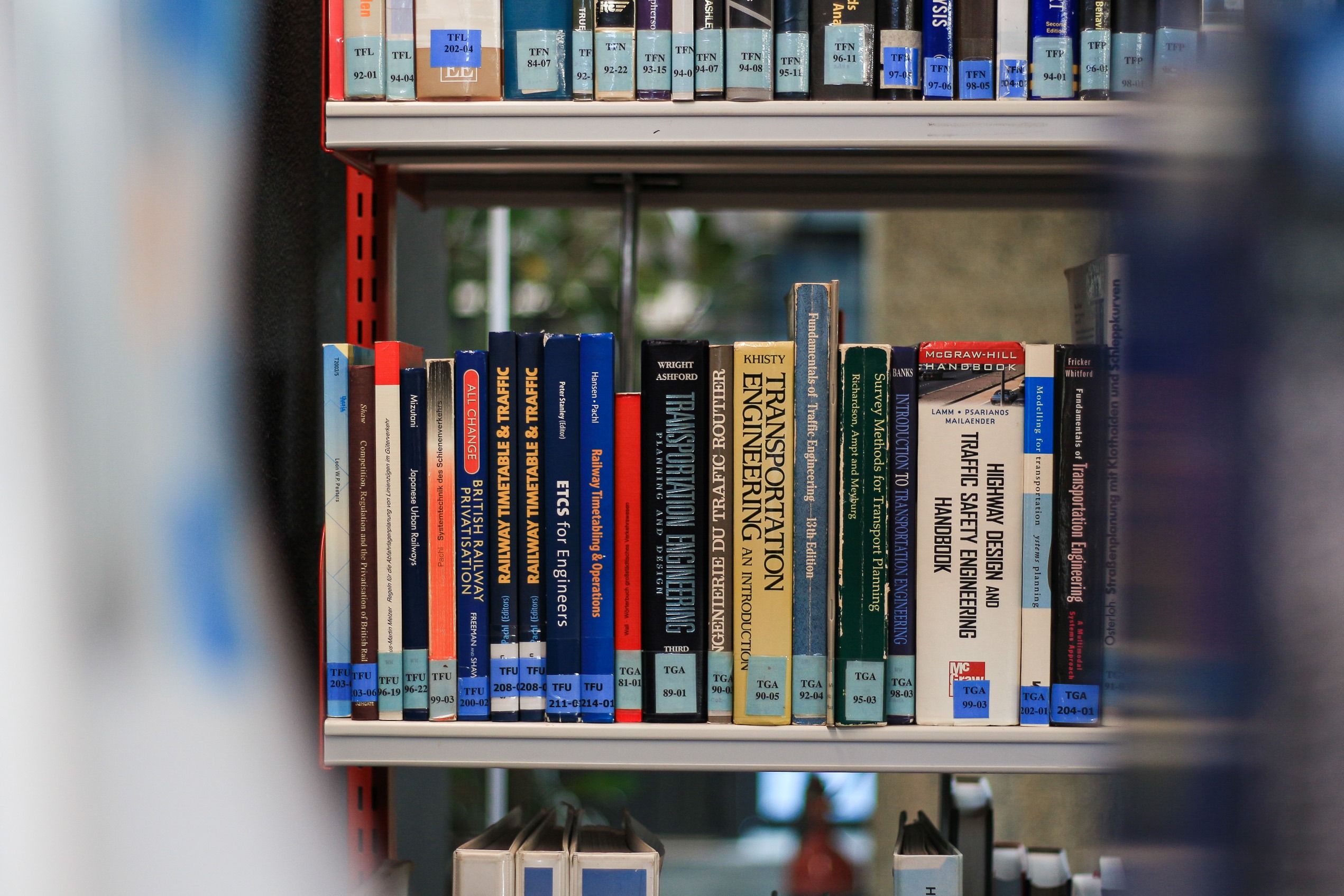
(Photo: Justyna Botor)
De Groene Amsterdammer, in collaboration with Utrecht University’s Data School, examined over 136,000 academic articles. The findings reveal that, over the past three years, hundreds of researchers affiliated with Dutch universities have published articles containing ‘ghost references’: citations to non-existent publications.
Sharp increase
In 2023, just one in 1,400 articles contained a phantom reference; by 2026, this had risen to one in 200. The proportion of articles containing references to non-existent sources has therefore increased sevenfold over the past three years. Ghost references occur in virtually all academic disciplines, writes De Groene (in Dutch). They usually look legitimate and sound convincing. This sometimes makes them difficult to spot.
The weekly magazine spoke to several academics who had cited non-existent sources. According to them, this happened unintentionally. They asked a chatbot an innocent question, such as whether they might have overlooked an important source.
TU Delft: forged authorship
De Groene also found an example at TU Delft. Fifteen non-existent references were discovered in an article in the journal Climate Risk Management. The first author, a TU Delft postdoc, explained that he had used AI to find additional literature to support certain claims, without subsequently verifying it. The authors have since requested that the article be retracted.
In addition, De Groene reports on a case involving TU Delft lecturer Hanno van Keulen. In early 2025, he discovered that his name had been added as a co-author to dozens of academic articles without his knowledge. TU Delft professor Diomidis Spinellis is said to have suffered the same fate in late December 2023. According to the weekly magazine, this constitutes a form of identity theft known as forged authorship.
Also at the top of the list of authors with ghost references is Peter Nijkamp, professor emeritus of regional economics, who was discredited over a decade ago for self-plagiarism. More than twenty ghost references were found in five of his recent articles. Nijkamp told De Groene Amsterdammer that he feels ‘somewhat duped’ by search engines.
Wageningen most prevalent
The study reveals that researchers at Wageningen University have the highest number of articles containing non-existent references. The university emphasises that responsibility lies primarily with the authors and journals, but will investigate whether internal guidelines and control mechanisms need to be tightened.
According to a survey by academic publisher Elsevier, around 58 per cent of researchers use some form of artificial intelligence. AI is mainly used to search for recent studies and to gather literature.
HOP, Naomi Bergshoeff/Delta, Saskia Bonger

HOP
Hoger Onderwijs Persbureau
Do you have a question or comment about this article?
[email protected]


Comments are closed.