

Asteroid named after Delft researcher
The International Astronomical Union has named an asteroid after researcher-lecturer in archaeological materials Geeske Langejans (Faculty of ME). It is a rocky mini-planet measuring approximately one kilometer in diameter.
Langejans reacted with surprise: “I received a cryptic message in the evening saying that there was something nice in my email. I didn’t open the email until the next day. It was incredibly exciting and cool! It’s a real honor, especially since Marco (Langbroek) has named other celestial bodies after scientists, but only very big names. I’m in good company up there.”
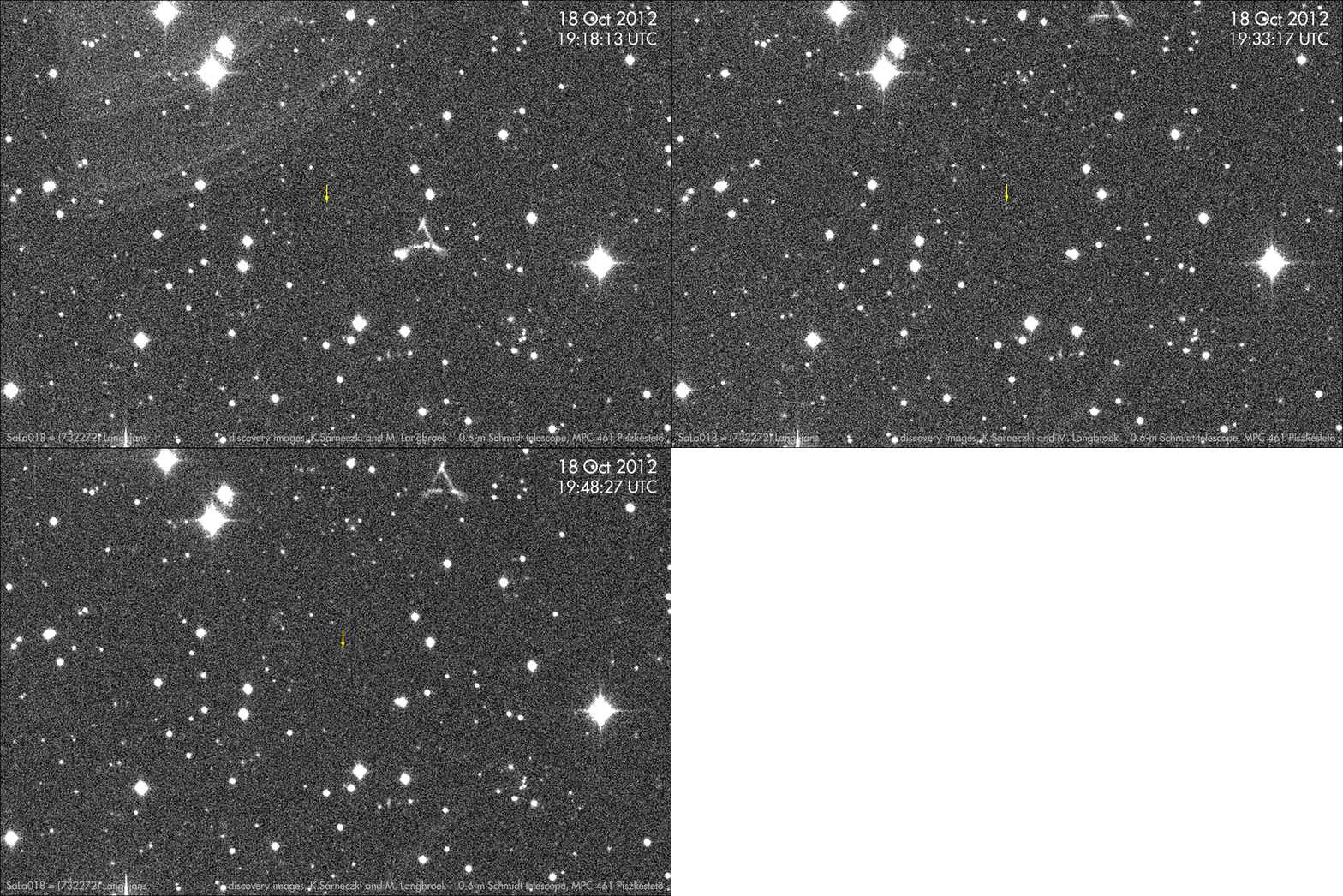
The asteroid was discovered in 2012 by Marco Langbroek (Faculty of Aerospace Engineering) during a search for large rocks that could potentially come close to Earth. He conducted this research with Krisztián Sárneczky at an observatory in Hungary. “In that research, we found quite a few asteroids. Two of them, about a meter in diameter, have since hit Earth.”
Asteroid (732272) Langejans will not collide with Earth. This miniature planet orbits the sun in the orbit between Mars and Jupiter, taking about 4.4 years to complete one revolution. The asteroid can only be seen with a very powerful telescope. “That’s why it took so long to definitively confirm the object’s orbit,” says Langbroek.
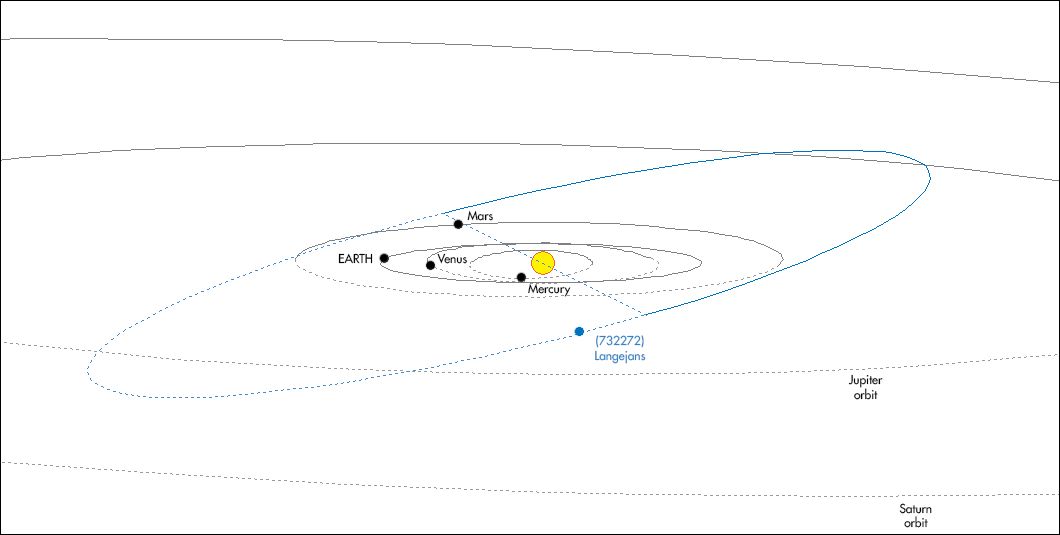

For Langbroek, as the discoverer, this is the 28th asteroid he has been allowed to name. He chose Langejans because of her scientific work as a researcher of prehistoric adhesives and because of their long-standing friendship. “More female scientists deserve a place in the starry sky.”


Comments are closed.