

From the age of 18, everyone should be entitled to the full rent allowance, not just from the age of 23. This is what three youth unions and the Woonbond (Dutch Union of Tenants) say in a manifesto.
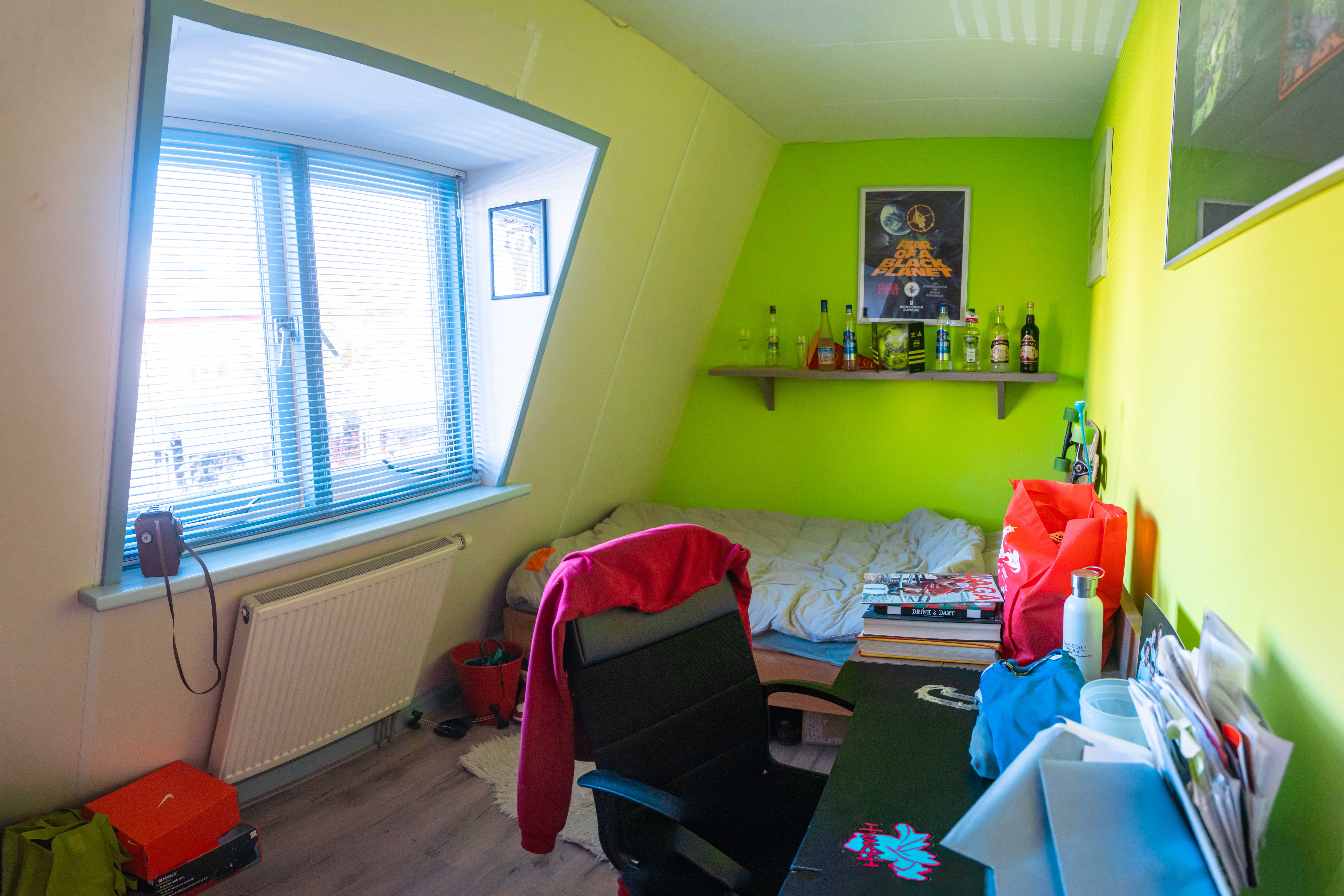
(Photo: Thijs van Reeuwijk)
With the elections approaching, political parties are all promising to tackle the housing crisis. In doing so, they must also keep the interests of young people in mind, according to a manifesto (in Dutch) issued by the National Student Union, CNV Jong, FNV Young & United and the Woonbond.
‘Building alone will not solve the crisis,’ they say. They also want to discourage vacancy through taxation. Owning an extra home that you hardly ever visit (pied-à-terre) in a large city such as Amsterdam should also become more expensive. Young people hope that this will free up more homes.
They also advocate an adjustment to the housing benefit. Until the age of 23, young people only receive this benefit if their rent is lower (up to 477 euros). When they turn 23, this is doubled (to a rent of 954 euros). The signatories of the manifesto consider this unfair.
More and more students are giving up their search for a room due to the housing shortage
Incidentally, the rent allowance only applies to self-contained dwellings such as studios. The manifesto does not mention this, but the LSVb has always been in favour of rent allowance for room dwellers.
Last week, it emerged that more and more students are giving up their search for a room due to the housing shortage. According to housing professor Peter Boelhouwer, this housing shortage is partly due to various government regulations concerning fixed-term tenancy agreements, profit tax and shared accommodation: landlords prefer to put their properties up for sale.
Price-driving effect
The four unions also want to see the controversial mortgage interest deduction abolished. They argue that this would help young people who want to buy their first home.
Opinions on this issue vary widely among politicians. While political parties such as PVV and VVD want to retain this scheme (according to VVD, it is “an important instrument for bringing stability to the housing market”), CDA, D66 and GroenLinks-PvdA, among others, are arguing for its gradual phasing out.
“Young people are greatly affected by the price-driving effect of this tax deduction,” says policy officer Maarten Wiedemeijer of the Woonbond. “Mortgage interest relief mainly benefits people with high incomes. Because so much money goes to them, the prices of owner-occupied homes are driven up and the housing market becomes less accessible to first-time buyers.”
The youth unions have even more proposals, such as higher taxes on vacant houses and second homes. The latter would involve a levy on holiday homes, for example, Wiedemeijer emphasises. The intention is not to cause problems for landlords of student houses.
HOP, Naomi Bergshoeff

HOP
Hoger Onderwijs Persbureau
Do you have a question or comment about this article?
redactie@hogeronderwijspersbureau.nl


Comments are closed.