The culture in parts of TU Delft can vary greatly, Ali Vahidi observes. This can lead to feelings of insecurity among people on temporary contracts as they don’t know the desired norms and often don’t have the time to adapt. He believes there is room for improvement.
In The Little Prince by Antoine de Saint-Exupéry, the Little Prince visits various planets, each shaped by unique cultures and governed by peculiar rules, such as those of the vain man and the authoritative king. His willingness to reflect on differences and continue his journey enables him to grow and uncover deeper truths. For students and academics at TU Delft, however, the experience is often different. Many view TU Delft as their ‘last planet’, a destination chosen for its reputation and the expectation that it provides the best environment, rooted in ethics and proven practices. Unlike the Little Prince, they rarely have the freedom or time to explore alternatives or reflect on their surroundings.
At TU Delft, departments and sections act as ‘planets of culture’ shaped by the attitudes of section heads. This setup results in widely varying communication styles, expectations, and practices, including how well-being is supported, collaboration encouraged, and publications managed.
For instance, the diversity or inclusivity of some sections reflects the background of their leaders, as their leadership approach can also influence transparency in decision-making. In some sections, the availability of budgets for research and attending conferences may be unclear to PhDs, even though they have the right to this information.
Administrative processes likewise differ. Some departments automatically handle transportation reimbursements for newcomers, whereas others provide guidance only upon request, often requiring multiple emails to claim entitlements.
There is a pressure to conform to a section head’s attitude
Over time, these practices have led to deeper challenges, such as pressure to conform to a section head’s attitude or hiring approaches that favour certain philosophies or backgrounds. This may be due to the fact that leadership grants section heads significant autonomy, often prioritizing financial performance above other considerations.
These disparities create challenges for PhDs and temporary staff, who often lack the time or energy to adapt to such fragmented systems. The need to navigate between different cultural norms – whether of the section head, Dutch culture, or academic culture – can leave individuals uncertain about which to follow, often forcing them into a survival mindset rather than allowing them to thrive. Moreover, inconsistent practices impede TU Delft’s ability to cultivate a cohesive identity or brand.
Viewed holistically, the diversity across sections could be an asset, much like a palette of coloured pencils creating a vibrant scene under a unifying vision. However, realizing this potential requires strong leadership, consistent supervision, and clear norms that support all students and staff.
Potential solutions lie in fostering awareness and implementing a unified code of conduct. This can be done by requiring all colleagues to sign this code at each promotion, incorporating an academic culture component in the UTQ certificate
and making a demonstrated commitment to academic culture a criterion for management positions. The Faculty of TPM’s three-day orientation for new PhDs could serve as a model, promoting a shared understanding of TU Delft’s vision and values.
By expanding such efforts, TU Delft can celebrate its diversity while maintaining alignment with a collective identity, empowering its members to focus on learning, sharing their talents, and applying the ethical and professional values they have gained beyond TU Delft. Ultimately, our graduates will stand out not only for their academic achievements but also for the professional character they have cultivated during their journey.
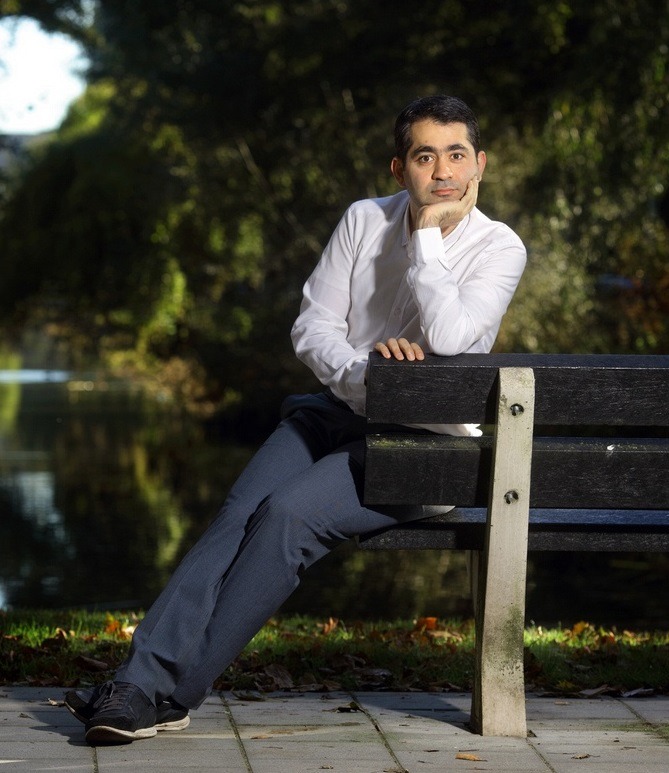
Ali Vahidi has worked in the Department of Engineering Structures at the Faculty of Civil Engineering and Geosciences at TU Delft since 2017. His research focuses on practical innovations and solutions to enhance circularity in construction.
Om de beste ervaringen te bieden, gebruiken wij technologieën zoals cookies om informatie over uw apparaat op te slaan en/of te raadplegen. Door in te stemmen met deze technologieën kunnen wij gegevens zoals surfgedrag of unieke ID's op deze site verwerken. Als u geen toestemming geeft of uw toestemming intrekt, kan dit een nadelige invloed hebben op bepaalde functies en mogelijkheden.
Functioneel
Always active
De technische opslag of toegang is strikt noodzakelijk voor het legitieme doel het gebruik mogelijk te maken van een specifieke dienst waarom de abonnee of gebruiker uitdrukkelijk heeft gevraagd, of met als enig doel de uitvoering van de transmissie van een communicatie over een elektronisch communicatienetwerk.
Voorkeuren
De technische opslag of toegang is noodzakelijk voor het legitieme doel voorkeuren op te slaan die niet door de abonnee of gebruiker zijn aangevraagd.
Statistieken
De technische opslag of toegang die uitsluitend voor statistische doeleinden wordt gebruikt.De technische opslag of toegang die uitsluitend wordt gebruikt voor anonieme statistische doeleinden. Zonder dagvaarding, vrijwillige naleving door uw Internet Service Provider, of aanvullende gegevens van een derde partij, kan informatie die alleen voor dit doel wordt opgeslagen of opgehaald gewoonlijk niet worden gebruikt om u te identificeren.
Marketing
De technische opslag of toegang is nodig om gebruikersprofielen op te stellen voor het verzenden van reclame, of om de gebruiker op een site of over verschillende sites te volgen voor soortgelijke marketingdoeleinden.



Comments are closed.