

Na alle slechte berichten over miljoenentekorten op de universitaire begroting, is er gelukkig ook goed nieuws. Sinds kort heeft de campus namelijk een nieuwe bewegwijzering.
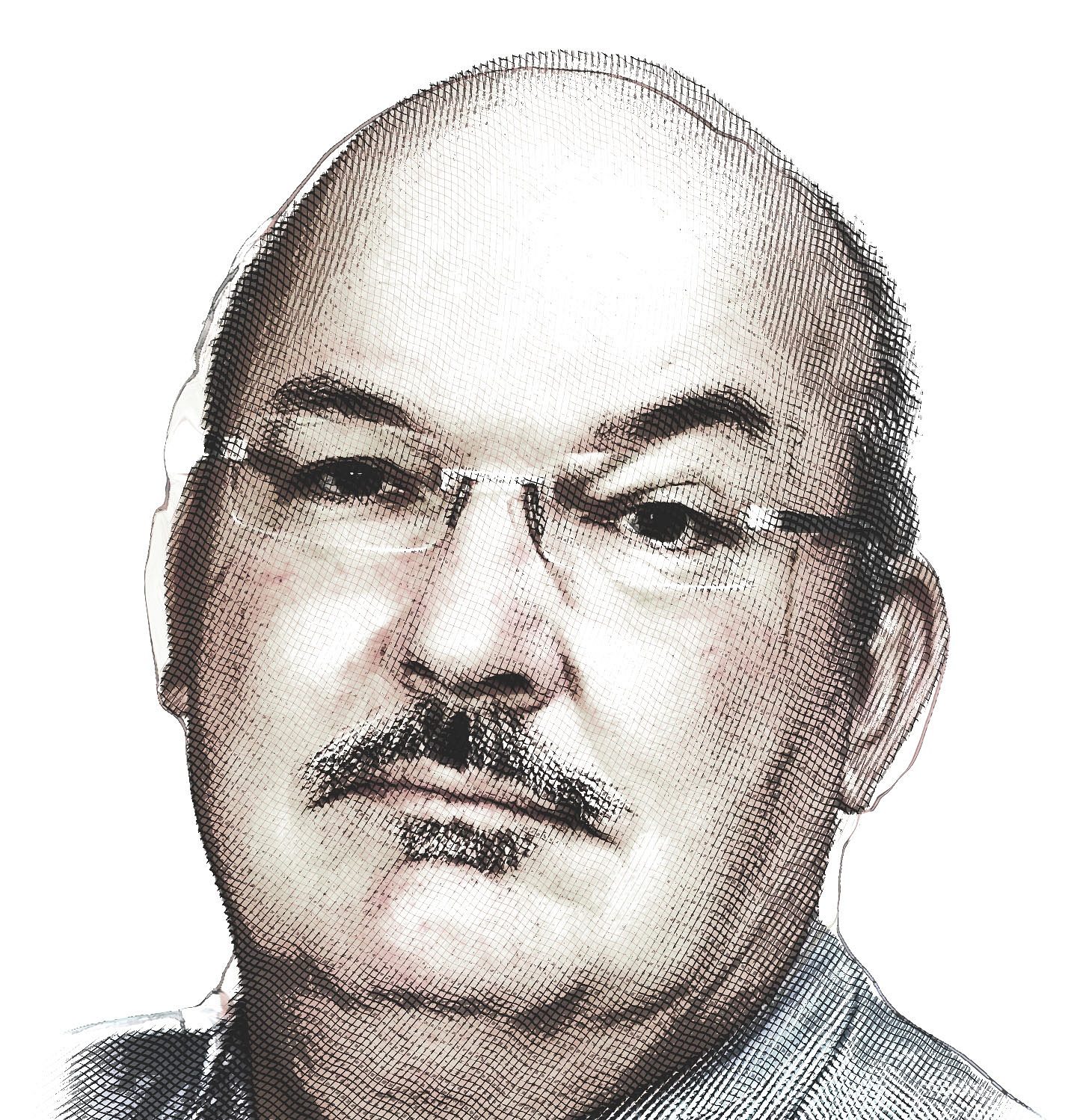
Name: Nicole Huijts
Nationality: Dutch
PhD supervisors: Prof.dr. Bert van Wee and dr. Eric Molin (faculty of Technology, Policy and Management)
Subject: The public acceptance of hydrogen technologies
Thesis defense: In less than three years (part-time)
“If a hydrogen refuelling station is built in your neighbourhood, what would you think of it? Would you be afraid it might negatively affect your health or would you applaud it? I’m studying the public acceptance of hydrogen stations. For the development of hydrogen technology in transport it is essentially important to know how the public will react to this, because the implementation of hydrogen stations is the key to the success of hydrogen technology. If there are no refuelling stations, people will not buy hydrogen cars.
There are plans for a hydrogen refuelling station to be built in Arnhem. I will focus on this in my research. I’m currently working on a list of about fifty interview questions. I will ask people for instance how much trust they have in the government and industry for making it a safe station, and if they believe the government will define the correct safety measures for a hydrogen refuelling station.
Over the past two years I’ve studied the public acceptance of other similar initiatives, like carbon capture and storage and biotechnology. It seems that people who have trust issues with the government do not trust new technology. It also works the other way around. The people who have more trust in the government are more likely to embrace new technologies.
If they build the station in Arnhem, I could also study the reactions over time. It is possible that the reactions change with the years, that people who are initially afraid that the station will be hazardous, will become less afraid if there are no incidents. If there appear to be safety problems, then everyone will probably be more frightened and regard the stations much more negatively.
How people respond to the information that is sent to them is also something I would like to study, although I’m not yet sure exactly how I will do this. But I will probably send two groups of people different kinds of information regarding the building of a hydrogen station in their neighbourhood. To a third group I will not send any information at all. Finally, I will analyse if the people in the different groups have different perceptions of the station. The results will help to formulate advice to policymakers.
Very often engineers develop technology because they have a great image of the usability of what they have devised. But the people who use it look at the new technology in a totally different way; they do not share that same image with the engineer. I’m fascinated by this gap between engineers and users and the question of how one could close it.”
Het heeft wat gekost – een paar ton, schat ik – maar dan heb je ook wat. Olijke paars-met-blauwe naamborden bij de gebouwen, en stemmige zwartstalen H-profielen met blauwpaarse bordjes die de weg naar die gebouwen wijzen. Om deze heuglijke gebeurtenis te vieren, spreek ik met prof.ir. B.I.F. Tinnefzuiger, emeritus hoogleraar grafische richtingsymboliek en directionele chromatiek, en grondlegger van dit nieuwe universitaire wegwijsparadigma. We staan voor de gloednieuwe wegwijzer op de kruising Jaffalaan en Leeghwaterstraat.
“Professor Tinnefzuiger, van harte gefeliciteerd met dit kunstwerk, want dat is het toch zeker?”
“Inderdaad, het is mijn Opus Magnum waaraan ik de afgelopen vijftien jaar heb gewerkt. Alle theorieën en principes die ik in mijn lange carrière heb ontwikkeld, komen samen in dit project dat ik TU quoque hic heb gedoopt. Een doordenkertje, hè?”
“Heel snedig. Maar even ter zake. Op het bovenste bordje, dat naar de Mekelweg wijst, staat: Buildings 1-18, 20-29, 30-39. Waarom niet simpelweg Buildings 1-39?”
“Om verwarring te voorkomen, want gebouw 19 bestaat niet.”
“Dus gebouw 1 bestaat wel?”
“Nee.”
“En gebouw 29 en 39?”
“Ook niet, nee.”
“Maar ze staan wel op de wegwijzer.”
“Dat is een esthetische beslissing waarover lang is gediscussieerd. Wilt u de notulen inzien van de zeven speciale vergaderingen die daarover zijn belegd?”
“Nee, dank u. Waarom zijn er eigenlijk meer nummers dan gebouwen?”
“Er is een uitgebreid numerologisch verantwoord kabbalistisch onderzoek verricht door professor Eimert Lemmaknijper uit gebouw 36. Voor ieder ontbrekend nummer bestaat een heel goede reden. Dat er geen gebouw 13 is, dat snapt u toch wel? Er is ook geen gebouw 7, omdat zeven in sommige culturen een heilig getal is. Dat kun je niet zomaar aan een willekeurig gebouw toekennen. En de wortel uit 666 is 25.8, dus voor de zekerheid is er geen gebouw 25 en ook geen gebouw 26.”
“Chauffeurs die iets moeten afleveren, vragen mij weleens ‘waar is Industrieel Ontwerpen?’. Ze vragen nooit ‘waar is gebouw 14?’”
“Dat is ook niet zo vreemd, want gebouw 14 bestaat niet. Industrieel Ontwerpen is gebouw 32, dat weet toch iedereen?”
“Hoe zit het eigenlijk met die kleuren? Dat blauw is het bekende TU-blauw, maar waarom paars?”
“Mijnheer! Dat is geen blauw maar honderd procent cyaan. En het is geen paars maar fuchsia, ofwel honderd procent magenta met een vleugje cyaan en zwart. Zelfs een blinde mol met staar ziet dat die kleuren elkaar esthetisch in evenwicht houden? Juist het volstrekt ontbreken van geel in het CMYK-palet maakt deze combinatie rebels en speels tegelijk. U weet toch wel wat Goethe hierover zei?”
“Eh, nee…”
“Volgens Goethe zijn er twee basiskleuren: cyaan en geel. Cyaan ontstaat door de aanschouwing van donker door het licht heen, en geel door de aanschouwing van licht door het donker heen. Wie dus door het licht heen wil, en niet door het donker, dient geel te vermijden. Dat is althans mijn interpretatie.”
“Hartelijk dank voor uw uitleg, professor Tinnefzuiger. Ik ga terug naar gebouw 31. Even kijken… dat is hier naar rechts.”
Dap Hartmann is astronoom. Hij werkt als onderzoeker bij de faculteit Techniek, Bestuur en Management.


Comments are closed.