

TU Delft officially taps into geothermal energy
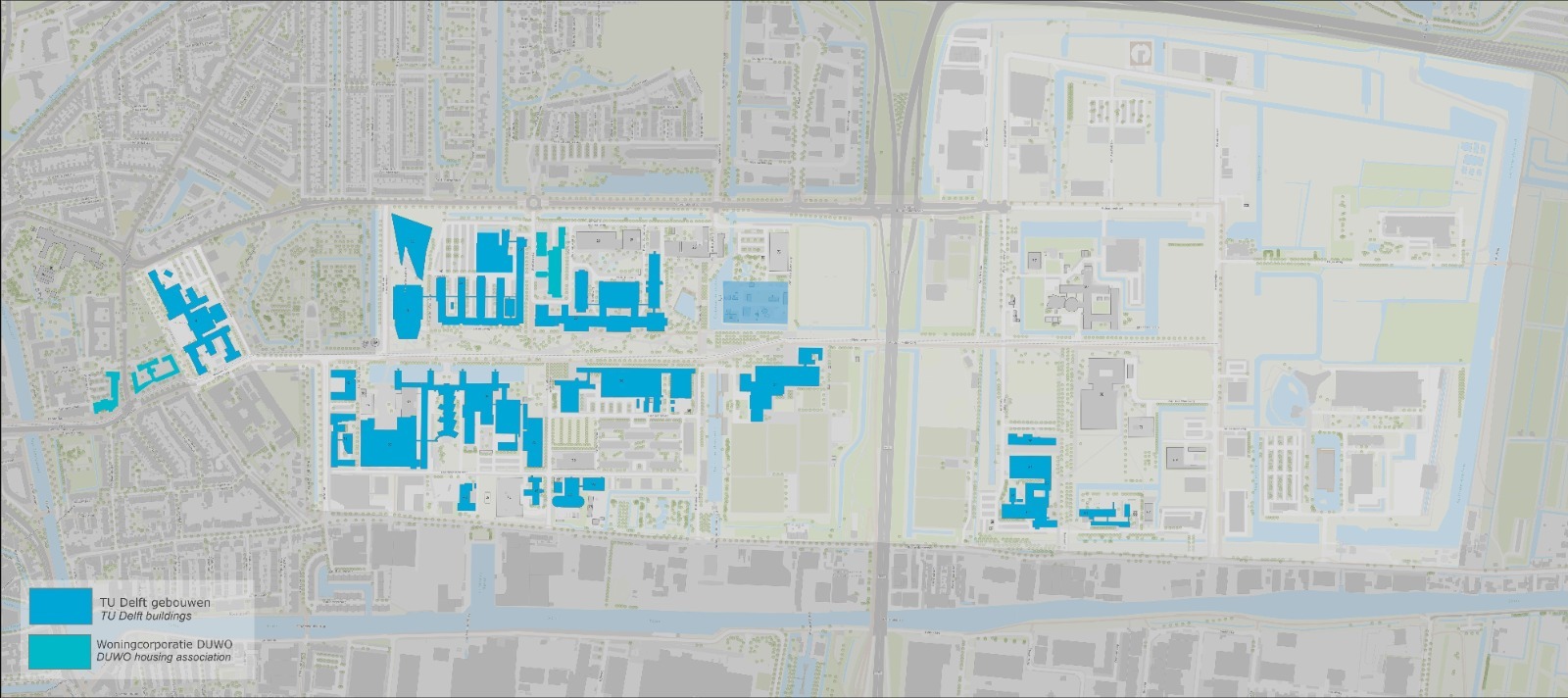
On Wednesday, Geothermie Delft’s geothermal power plant officially became operational. From now on, part of the campus and three DUWO student flats (Mijnbouwplein, Stieltjesweg and Michiel de Ruyterweg) are now heated with hot water from deep underground.
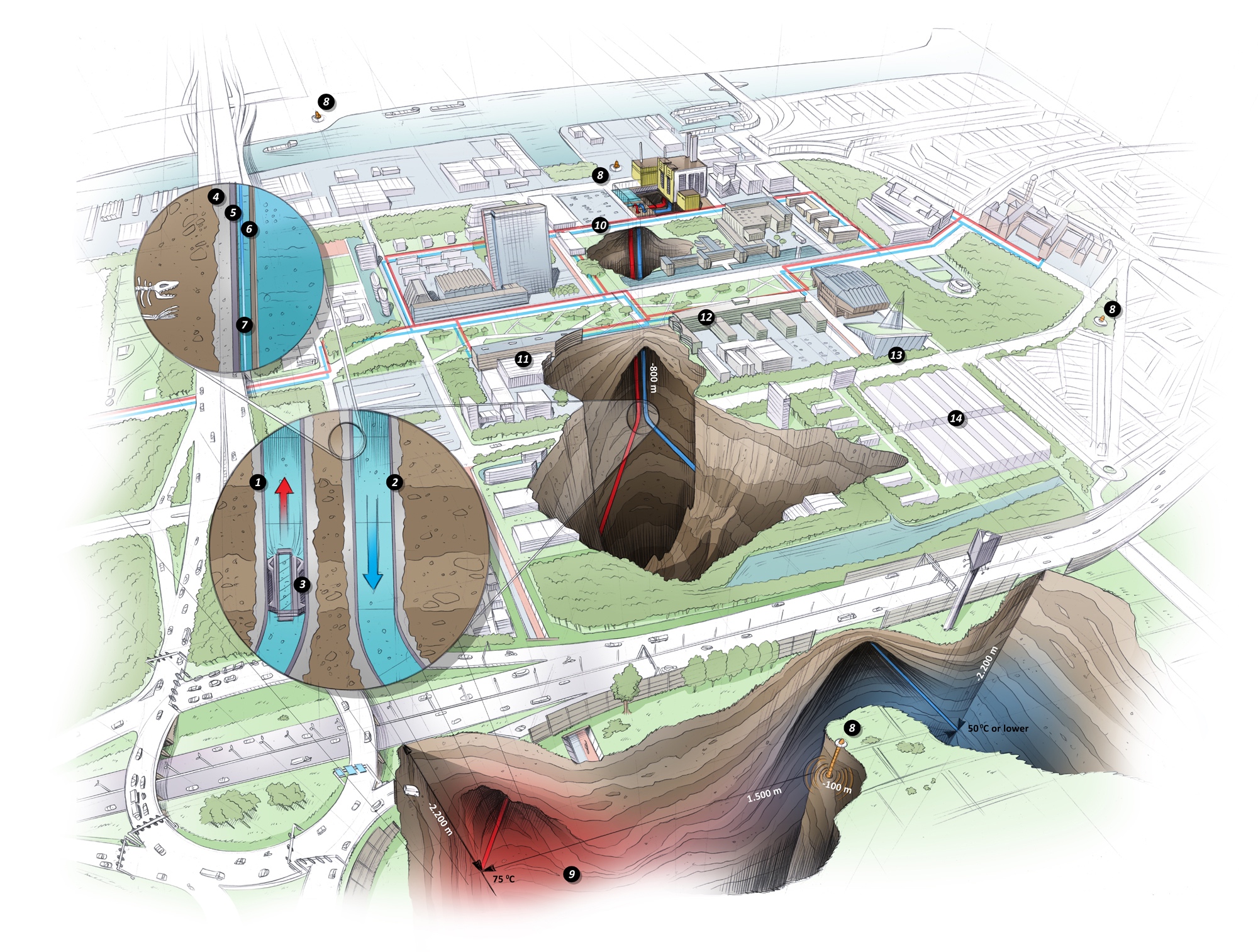
“Opening a new heat source in this weather,” laughs Maaike Zwart, Delft’s Alderman for Sustainability, on the sunny Wednesday afternoon at the geothermal power plant on campus. There is no symbolic pressing of a button, no champagne or cheering crowds. The handful of journalists who have turned up are not allowed into the plant. There is little to see in front of the building where the press programme is taking place. Yet something truly fascinating is happening beneath our feet: water at a temperature of 78 degrees is being pumped up from a depth of around 2 kilometres underground. A sustainable way to heat the campus and three student complexes. “And affordable,” emphasises Zwart. “As an alderman, I can say that without hesitation.”
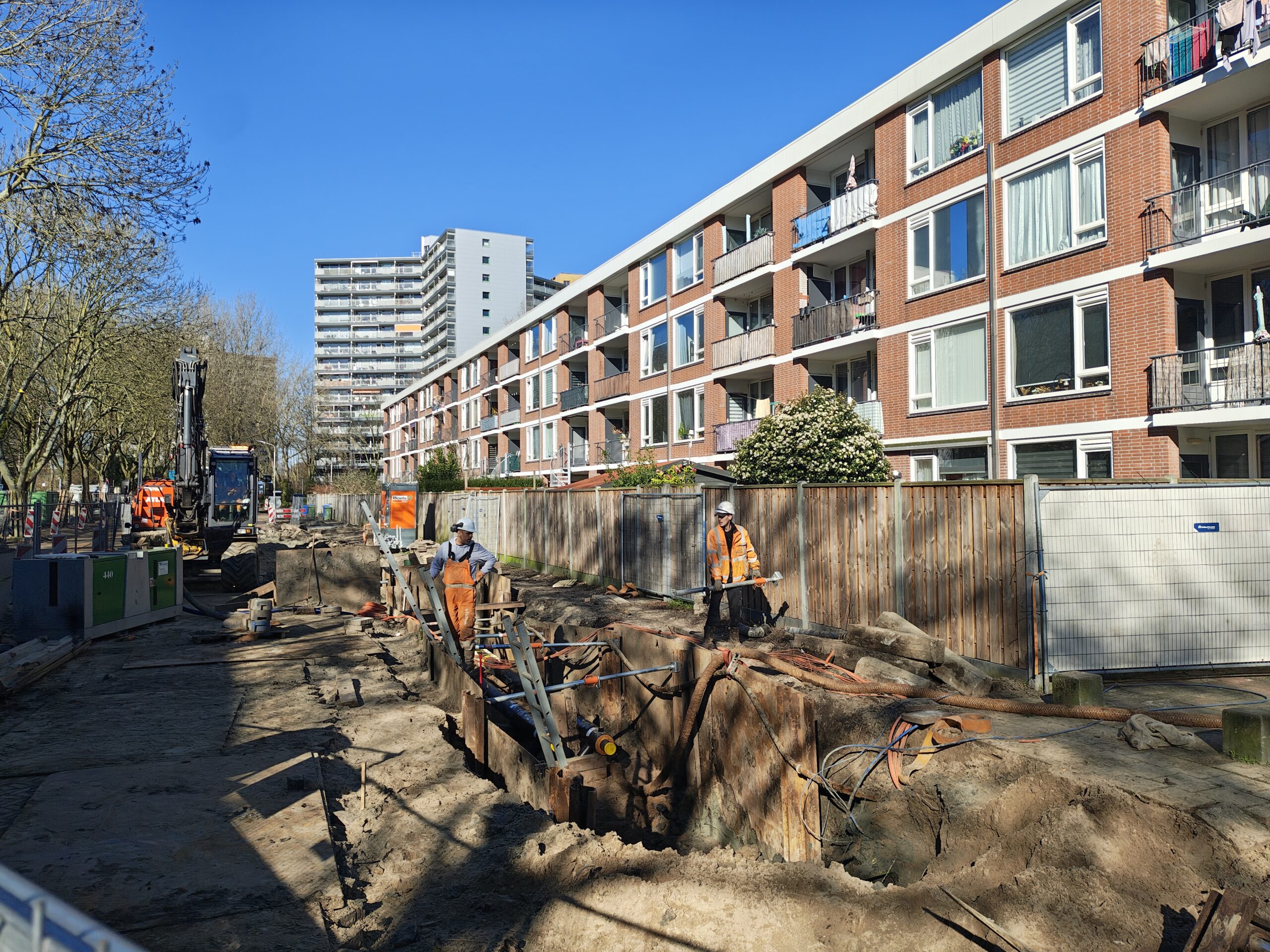
Fortunately, just a few neighbourhoods away in Buitenhof, it is possible to watch the excavation work. Long pipes are ready to be inserted into the ground. Men in orange vests are busy digging trenches. Here, the next neighbourhood is already being prepared for connection to the geothermal network. Soon, another 6,000 rental properties will be connected, with a final target of 15,000 homes in total.
The Delft geothermal power plant will not only serve as a source of heat but also as a source of scientific data. In this way, the university hopes to contribute to the expanding knowledge, including its application elsewhere in the Netherlands. Until now, geothermal energy has mainly been used in greenhouse horticulture, but new measurements should provide insight into how geothermal energy can be used more efficiently, reliably and sustainably on a broader scale. “Geothermal energy is less interesting for new buildings,” says NetVerder director Koen Verbogt. “Those homes are better insulated. It is precisely the older, less well-insulated homes with a collective heating network that benefit greatly from the use of geothermal energy.”


Comments are closed.