Doors open or closed? After months of deadlock on this issue, the trade unions and the Executive Board of TU Delft have decided that their meetings will remain open to the public for the time being — although this does not apply to all topics.
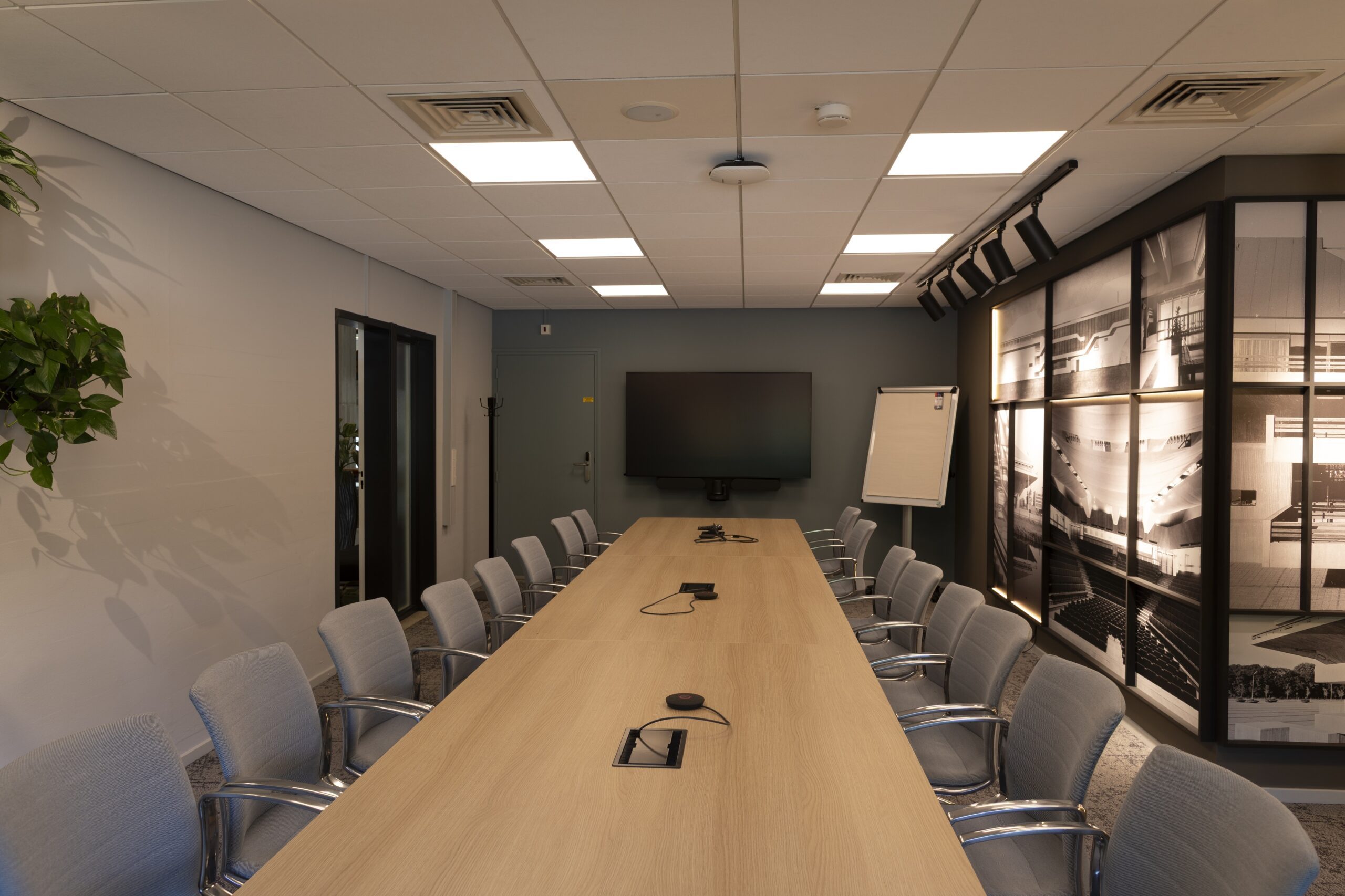
(Photo: Max van Dongen)
This has been confirmed by the unions and the Executive Board in response to questions from Delta. Both parties have agreed to a one-year trial period. This entails that the meetings of this Local Consultation Body will remain public, with a few exceptions: reorganisations, individual matters and negotiations, for example about finances. In addition, both parties agree that other topics can also be discussed in private if either party so wishes. They will make agreements about this “if desired” prior to the meeting, writes Executive Board member Nick Bos in an email.
This was agreed during the most recent joint meeting on 8 October. The Executive Board had stipulated in advance that this topic would be discussed behind closed doors, as would a number of other items.
Delta sent away
The discussion about openness began in April 2024. At that time, board member Marien van der Meer demanded that a Delta reporter leave the meeting. It was the first meeting after it had become public that the Education Inspectorate had accused TU Delft of mismanagement. The unions agreed to Van der Meer’s demand, which drew fierce criticism from the national trade unions.
Uncertainty about the status of the Local Consultation Body meetings did not help. There was an agreement on openness, but it dated from 2014, was only recorded in the minutes at the time, and said only that exceptions would be “indicated”. There were no official regulations.
Evaluation after one year
The unions considered (and still consider) this to be sufficient, but the Executive Board wanted a change. It laid down (among other things) the closed nature of meetings in draft regulations and took a preliminary decision on this on 17 September 2024. Negotiations then began. These proved difficult.
After interim Executive Board member Nick Bos took office as Marien van der Meer’s successor, the current solution came into view. It will last for one year, after which an evaluation will follow. After that, negotiations on the draft regulations will be resumed. There should then be a permanent third member of the Executive Board to take over.
‘Openness is important’
In the meantime, Bos ‘fully’ endorses the view that openness is ‘important’. He confirms that openness remains the starting point, “but there may be reasons for closed-door meetings”. “We are aware that we must be very sparing in our use of this option.”
Fred Veer, chair of the trade unions in the Local Consultation Body, agrees. “We will ensure that as much as possible remains public.”
- Read more about the Inspectorate Report and social (un)safety in our dossier.
Editor in chief
Saskia Bonger
Do you have a question or comment about this article?
[email protected]


Comments are closed.