

For the first time in years, people are once again on their way to the Moon. The next steps are to land and to actually start building there. However, construction is not so straightforward. Moonquakes may prove to be more disruptive than previously thought. This is evident from the research on which Anne van der Pauw graduated this week at Civil Engineering & Geosciences.
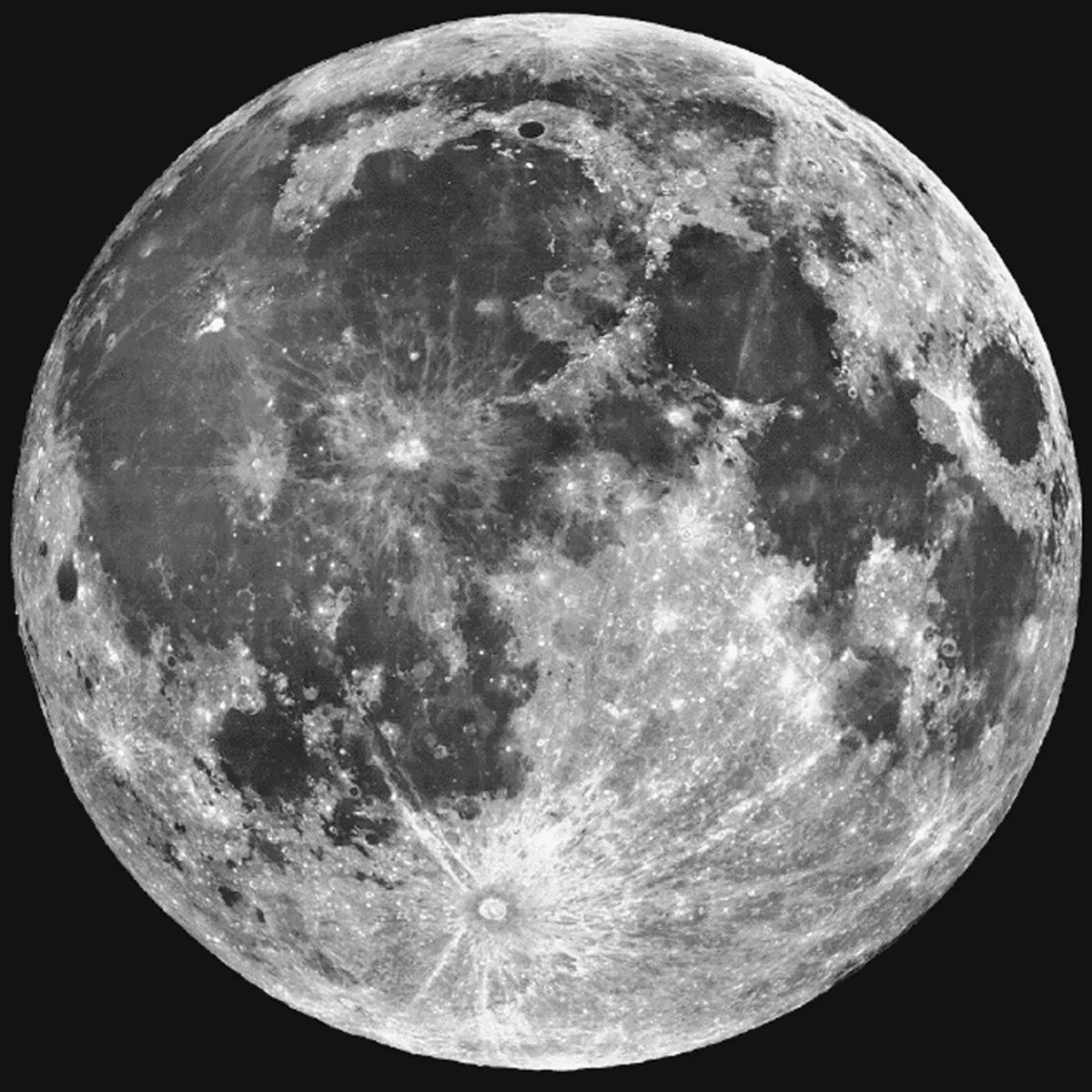
(Photo: NASA)
One of the first structures to be built on the Moon will be large towers. As Van der Pauw explains, these are useful for solar panels and communications. Building on the Moon is not an easy task: sharp lunar dust, extreme temperatures, and there is no atmosphere, and therefore no protection against radiation or meteorites. But there is an advantage: gravity is six times weaker than on Earth, and thanks to the lack of an atmosphere, there is no wind, which could facilitate the construction of tall towers.
But how do you ensure that such a tower stands firmly? “My aim was to develop a suitable foundation. The lunar soil consists of fairly loose material: the deeper you go, the denser it becomes. The problem is that it’s difficult to reach that depth. The heavy machinery we use on Earth is difficult to transport to the Moon. Moreover, there is a high chance that it won’t function properly there, for example due to the reduced gravity, which means we have less force to drill into the deep subsoil. It is also possible that the machinery has problems with lunar dust. This is highly static, causing it to stick to everything and wear down moving parts.”
“That is why we are limited in how deep we can dig the foundations. I have focused on shallow foundations.”
Lunar concrete proves to be a promising building material
The taller the tower, the greater the demands on the foundation. At the same time, it is extremely costly to transport large quantities of material to the Moon. That is why Van der Pauw investigated various techniques for utilising local materials. Lunar concrete, made from lunar dust and a binding agent, proves to be a promising building material.
Lunar earthquakes
A tall tower with a small foundation made of lunar concrete, assembled as much as possible by robots. It sounds ideal. But Van der Pauw warns: lunar earthquakes. Earthquakes, but on the Moon, the exact causes of which are still unknown. “During the Apollo era (NASA’s space programme between 1961 and 1972, which was designed to put people on the moon, Eds.), some measurements were taken, including research into shallow lunar quakes and the risk to infrastructure. But there were very few measurements, and only on the side of the Moon facing Earth, the near side of the Moon. We want to build at the South Pole. We have absolutely no idea how many quakes occur there, nor how these kinds of surface quakes form.”
Van der Pauw has already been cautiously working on a possible solution: using long cables to stabilise the tall lunar towers during a moonquake. “It seems to work, but cables of this kind have never been researched or manufactured on this scale. Before we start building on the Moon, a great deal more research needs to be done.”

Science editor
Edda Heinsman
Do you have a question or comment about this article?
[email protected]


Comments are closed.